
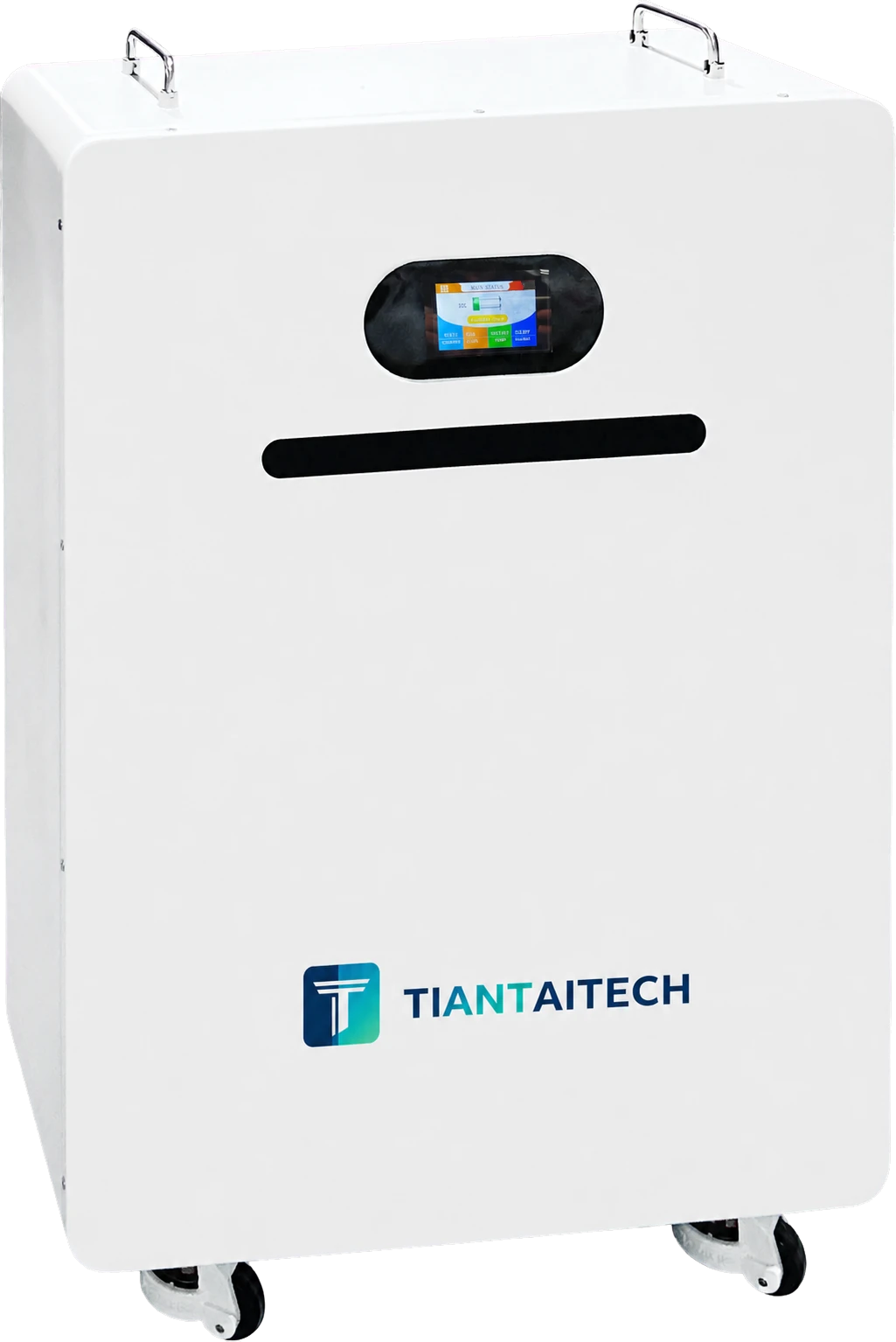
A residential energy storage system stores electrical energy so a household can use it later. It is commonly paired with rooftop solar, but it may also support selected backup loads, time-of-use energy management or other locally permitted applications.
The battery itself is only one part of the system. A complete home energy storage setup may include battery modules, a battery management system, an inverter or power conversion device, protection equipment, monitoring software and controls that determine when energy should be charged or discharged.
How Does a Home Energy Storage System Work?
The operating logic depends on the system design. In a common solar-plus-storage arrangement, solar generation first supports current household loads. Eligible surplus energy can then charge the battery, and the stored energy can be used later according to the configured operating strategy.
- Solar panels generate electricity during daylight hours.
- The home uses available solar power for current loads.
- Eligible surplus generation charges the battery.
- The battery supplies stored energy later according to system settings.
- The grid remains available where the system is grid-connected and local rules permit.
If backup operation is included, the design also needs a safe method of separating supported circuits from the grid during an outage. Battery capacity, inverter output, transfer equipment, protection and the selected backup loads must be planned together by qualified professionals.
Main Components of a Residential Energy Storage System
Battery modules
Battery modules store electrical energy. Relevant specifications may include nominal energy, usable energy, nominal and operating voltage, charge and discharge limits, cycle-life test conditions and operating temperature. Nominal capacity does not necessarily equal the energy available to household loads after operating limits and conversion losses.
Battery management system
The battery management system, usually called the BMS, monitors and manages the battery. Depending on the product, it may track voltage, current, temperature, state of charge and protective conditions. A physical connection alone does not confirm that a battery and inverter can communicate and operate together.
Inverter or power conversion equipment
A battery stores DC energy while most household equipment uses AC power. The inverter or power conversion system manages conversion and operating logic. Some projects use a hybrid inverter that coordinates solar and battery functions; others add storage to an existing solar system through an AC-coupled design.
Protection, switching and monitoring
A complete installation may require disconnects, overcurrent protection, isolation, enclosures, cabling and backup switching. Monitoring can show generation, consumption, battery state and energy flow. Buyers should confirm which functions are included and what network connection or software is required.
What Can Residential Battery Storage Be Used For?
Solar self-consumption
Store eligible surplus solar generation for later household use and increase on-site use of renewable energy.
Selected-load backup
Support defined essential circuits during an outage when power, energy, switching and protection are designed as one system.
Time-of-use management
Shift energy between tariff periods where the system design and local rules allow.
Energy resilience
Use storage as one element of a wider resilience plan for homes affected by unstable grid conditions.
The financial and operational value of each application depends on local electricity prices, export compensation, outage patterns, system losses and permitted operating modes. Universal savings or backup-duration claims should be treated cautiously.
Backup Power and Daily Energy Management Are Different
Daily energy management shifts energy across normal operating periods. Backup design asks whether specified loads can continue operating when grid power is unavailable. A battery may contain enough energy for several hours of light loads but still be unable to start a high-power appliance.
| Design question | Daily energy management | Backup operation |
|---|---|---|
| Primary focus | Usable energy and operating schedule | Supported loads, output power and duration |
| Important data | Consumption profile, solar generation and tariff periods | Critical-load list, surge demand and outage duration |
| Additional equipment | Depends on system architecture | Requires appropriate switching, isolation and protection |
| Key confirmation | Operating strategy is permitted and economically relevant | The complete system supports the intended circuits safely |
How to Compare Residential Energy Storage Systems
Usable energy capacity
Ask for usable energy, not only nominal energy, and compare it with the household’s intended loads and operating objective.
Output power
Confirm continuous and short-duration output for the complete battery and inverter combination. Check whether the proposed system can support the intended loads operating at the same time.
Battery chemistry and safety design
Ask which cell chemistry is used and how the product manages temperature, current and protective events. Review documentation and test or certification information for the exact model. Evidence for one model should not be assumed to apply to another.
Inverter compatibility
Request a written compatibility list or model-specific confirmation covering communications, firmware, voltage range and permitted system configuration.
Installation environment
Confirm indoor or outdoor suitability, temperature limits, protection rating, ventilation, mounting requirements and required clearances.
Warranty and support
Read the warranty for the exact model and destination market. Review term length, throughput or cycle conditions, retained-capacity terms, exclusions, installation requirements and the claim process. A clear support path is especially important for distributors and installers serving end customers.
Local compliance
Electrical, grid-connection, transport and installation requirements vary by country and sometimes by utility. Confirm the applicable requirements before ordering.
Questions Distributors and Installers Should Ask a Supplier
- Which exact models are available for our target market?
- Which certifications and reports apply to each model?
- Which inverter models are confirmed as compatible?
- What battery, cables, accessories and controls are included in the quotation?
- What branding, packaging and document-localization options are available?
- What are the sample and production-order requirements?
- Which warranty document applies to the proposed order?
- How are installation questions and service cases handled?
These questions help buyers move from a promising product image to a product offer that can be evaluated, installed and supported in the destination market. For available formats, visit Residential Energy Storage. For private-label planning, see OEM / ODM Cooperation.
Frequently asked questions
Residential Energy Storage FAQ
Can a residential battery work without solar panels?
Some systems can charge from the grid where the product design and local rules allow. Permitted operating modes and potential value depend on the local tariff, grid rules and system configuration.
How long can a home battery provide backup power?
Backup time depends on usable battery energy, the power consumed by supported loads, system losses, reserve settings and whether solar can recharge the battery during the outage.
Can any battery work with any inverter?
No. Voltage range, communications, firmware and the approved system configuration must be compatible. Buyers should request model-specific written confirmation.
What is the difference between power and energy capacity?
Power, usually measured in kilowatts, describes how much load can be supplied at a given moment. Energy, usually measured in kilowatt-hours, describes how much electrical energy is stored or available over time.
Can a home battery power the entire house?
It may be possible with an appropriately designed system, but many installations prioritize selected essential loads. The answer depends on inverter power, usable battery capacity, surge loads and the electrical design.
Plan the next step
Discuss Your Residential ESS Requirements
Share your target country, preferred battery format, inverter requirements, expected quantity and branding needs for a focused product discussion.