
Commercial storage architecture
Rack ESS vs Battery Cabinet
Compare rack ESS and battery cabinet formats by integration scope, enclosure, thermal design, service access, project responsibility and model-specific documentation.
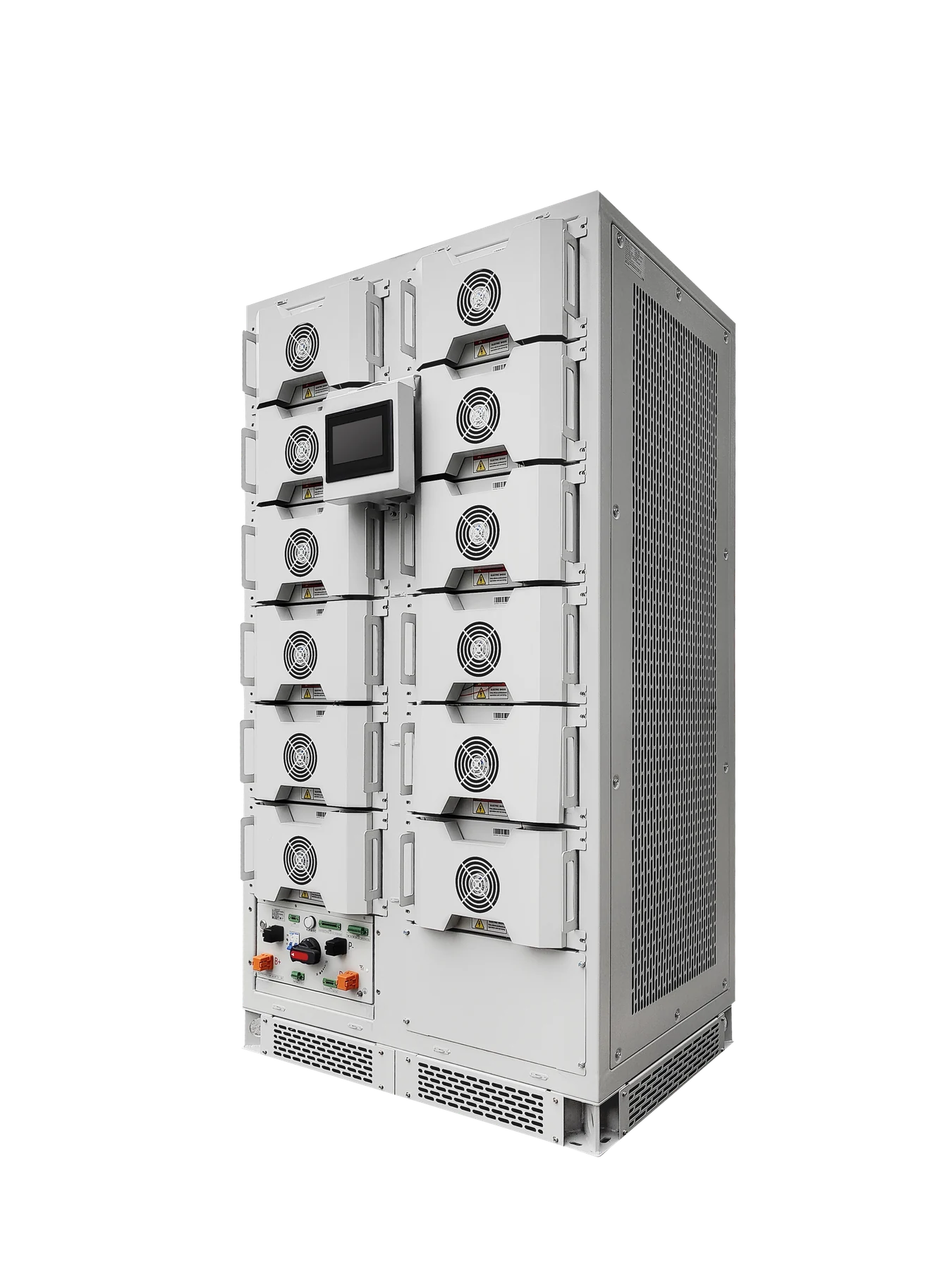
Rack ESS and battery cabinets can use similar battery modules, but they place different boundaries around enclosure, protection, thermal management, controls and project integration. The correct format depends on what the buyer or EPC plans to engineer and supply.
What a rack ESS normally represents
A rack-based product organizes battery modules, connections and BMS components in a serviceable structure. It can suit integrators that are defining the wider enclosure, thermal, electrical and controls architecture.
The term rack ESS does not guarantee inclusion of PCS, EMS, HVAC, fire provisions, switchgear or a weather-rated enclosure. Review the rack integration page and request a written included-equipment list.
What a battery cabinet can add
A cabinet provides a defined physical enclosure and may include DC protection, thermal management, controls or environmental protection. Included equipment still varies significantly between models and suppliers.
An outdoor cabinet requires attention to enclosure rating, heat rejection, condensation, service clearances, foundations, cable entry and local safety requirements. A product photo is not enough to confirm those details.
Compare responsibility, not only appearance
Choose a rack direction when the project team has a clear integration plan and accepts responsibility for the wider system. Choose a cabinet direction when a more defined enclosure and subsystem boundary better suits procurement, installation or service planning.
In both cases, compare nominal and operating voltage, current, BMS, communication, module configuration, usable energy, dimensions, weight, environment, certification evidence and warranty for the exact model.
Questions to settle before ordering
Confirm the PCS relationship, EMS control scope, protection and isolation, thermal design, fire strategy, installation environment, transport method, commissioning responsibility and after-sales interface. Define who supplies each item and who validates the integrated operation.
TiantaiTech presents both cabinet directions and rack families for initial evaluation. Final parameters and compliance remain subject to the selected model and project review.
Frequently asked questions
Rack ESS and Battery Cabinet FAQ
Is a rack ESS cheaper than a battery cabinet?
Price depends on capacity, voltage, included equipment, enclosure, cooling, protection, controls, documentation and order scope. Compare equivalent supply boundaries rather than product labels.
Can a rack battery be installed outdoors?
Only within an approved enclosure and installation design that provides the required environmental, thermal, electrical and safety protection for the exact rack model.
Which format is easier to service?
Serviceability depends on access, module handling, isolation, diagnostics, spare parts and site procedures. Evaluate the complete design and maintenance plan.
Next step
Request Model-Specific Information
Share your market, intended application, inverter, target capacity and expected quantity for a focused response.