
Battery chemistry buyer guide
LiFePO4 vs NMC for Energy Storage
Compare LiFePO4 and NMC battery chemistry for stationary energy storage by safety design, energy density, cycle requirements, temperature, cost and supply documentation.
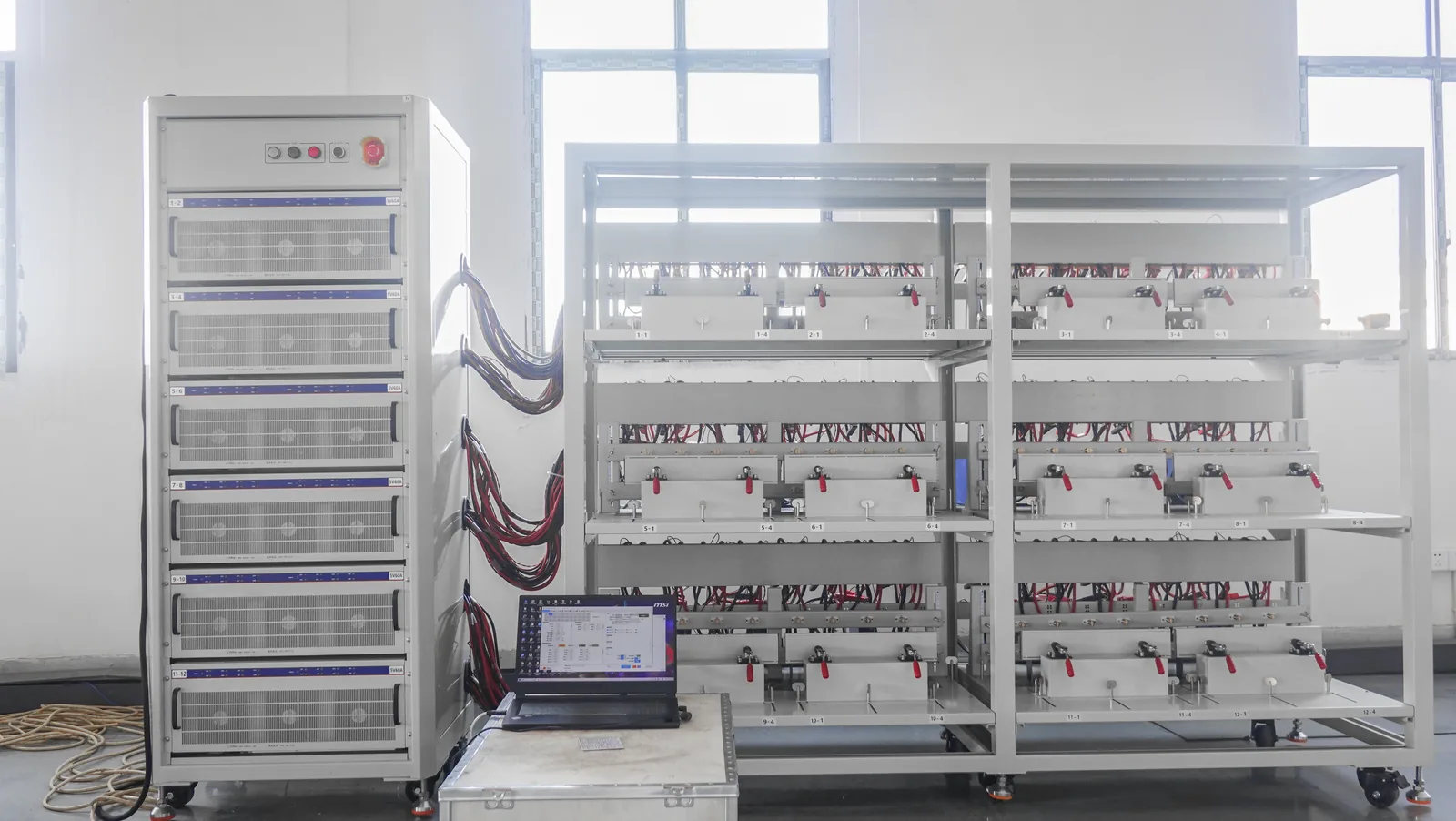
LiFePO4 and NMC are both lithium-ion chemistries, but their characteristics lead to different tradeoffs. A professional comparison should consider the complete battery system, not chemistry shorthand alone.
What the chemistry names mean
LiFePO4, often shortened to LFP, uses lithium iron phosphate as the cathode material. NMC uses a blend of nickel, manganese and cobalt. Chemistry influences voltage, energy density, thermal behavior, cycle characteristics and sourcing, but cell format and system design also matter.
Compare safety as a complete system
Chemistry is only one safety layer. Buyers should also evaluate cell quality, mechanical design, current protection, BMS logic, thermal management, enclosure, installation instructions and the evidence available for the exact product.
Ask the supplier to identify the cell model and to match test reports or certificates to the proposed battery. A certificate for another cell or battery should not be assumed to cover the order.
Energy density, service life and environment
NMC can offer high energy density where space or weight is especially constrained. LFP is widely considered for stationary storage where footprint may be less critical and cycle-oriented operation is important.
Published cycle life is meaningful only with its test temperature, depth of discharge, charge and discharge rate and end-of-life definition. Compare those conditions rather than one isolated cycle number.
A practical sourcing checklist
Request the exact cell chemistry and model, nominal and usable energy, current limits, operating temperature, protection architecture, communication, warranty terms and destination-market documentation.
For current residential options, compare the TT-LCT model family and download the source-backed specification table from the Downloads Center.
Frequently asked questions
LiFePO4 and NMC FAQ
Is LiFePO4 always safer than NMC?
Chemistry influences thermal behavior, but system safety also depends on cell quality, BMS, protection, enclosure, thermal management, installation and operating conditions.
Which chemistry lasts longer?
Cycle comparisons require the same temperature, depth of discharge, current rate and end-of-life definition. Supplier cycle claims should always include test conditions.
Which chemistry should a home battery use?
The answer depends on the approved system design, installation environment, required energy, power, space, local rules, documentation and supplier support.
Next step
Request Model-Specific Information
Share your market, intended application, inverter, target capacity and expected quantity for a focused response.