
EPC project qualification guide
C&I Energy Storage Solutions for EPCs
A practical qualification guide for EPCs comparing C&I energy storage solutions, battery architecture, PCS and EMS interfaces, site data, supply scope and documentation.
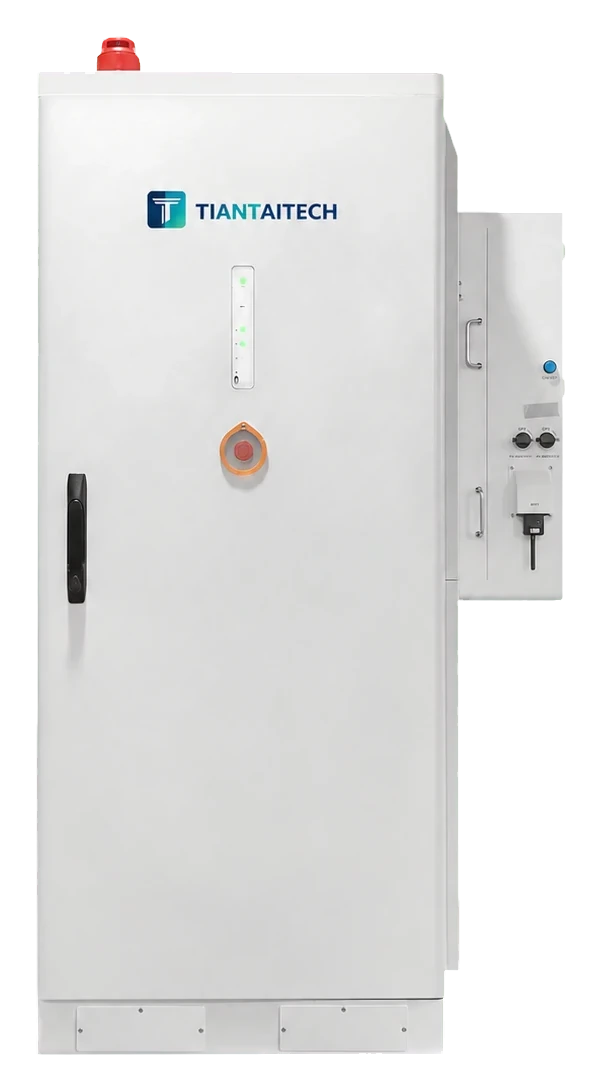
An EPC needs more than a cabinet image and a nominal energy figure. A useful C&I energy storage proposal must connect the site objective, electrical architecture, battery, PCS, EMS, protection, thermal design, installation conditions and contractual supply boundary.
Define the EPC scope before selecting equipment
Start by separating the owner objective from the equipment list. Peak-load management, solar self-consumption, selected backup and other operating goals require different power, energy, controls and switching strategies.
Record whether the EPC needs a battery subsystem, a battery cabinet, an integrated AC system or a larger containerized direction. The quotation should identify every included and excluded component rather than using the term ESS as an undefined bundle.
Build the proposal from site and electrical data
Provide the installation country, site type, interval load profile, peak demand, grid voltage, frequency and phase, transformer information, existing or planned PV capacity, available space, ambient conditions and required operating schedule.
Target kW and kWh should follow the load and tariff model. When these values are not yet fixed, the C&I project page lists the minimum inputs needed for a focused product discussion.
Compare rack, cabinet and container pathways
A rack battery direction can suit EPCs that are defining the wider enclosure, thermal system, PCS and site integration. A cabinet direction provides a more defined physical boundary, while a containerized direction supports larger architectures after the electrical and civil scope is established.
Review the current 112 kWh and 225 kWh cabinet directions and the 172 kWh and 215 kWh rack families. These catalog capacities start the technical discussion; the final model, power, voltage and included equipment remain project-specific.
Coordinate the battery, PCS, EMS and interfaces
Confirm the DC operating range, current, module and rack configuration, BMS hierarchy, communication protocol and approved PCS relationship. The EMS scope should define metering inputs, control priorities, operating modes, remote access and interfaces with site systems.
Protection, isolation, earthing, emergency response, fire strategy, thermal management, network security and local interconnection requirements belong in the complete engineering review. A compatible physical connector does not confirm electrical or software compatibility.
Make the commercial offer auditable
Request model-specific datasheets, drawings, included-equipment lists, applicable reports or certificates, warranty terms, delivery scope, commissioning responsibilities and after-sales escalation steps. Match every document to the proposed model and destination market.
For early product discovery, review the rack integration pathways, the available datasheets and the live Alibaba catalog. The signed quotation and project documents must govern the final supply.
Frequently asked questions
C&I Energy Storage for EPCs FAQ
What information should an EPC send before requesting a C&I ESS quotation?
Send the country, site type, load profile, grid details, solar capacity, operating objective, target power and energy, environment, standards, space constraints and project schedule.
Is a battery cabinet a complete C&I energy storage system?
Not necessarily. The cabinet may exclude the PCS, EMS, switchgear, transformer, metering, fire system, HVAC, installation and commissioning. Confirm the exact supply boundary.
Can TiantaiTech quote from only a target kWh value?
A preliminary direction may be discussed, but a responsible proposal also requires power, voltage, load, operating objective, environment and integration information.
Next step
Request Model-Specific Information
Share your market, intended application, inverter, target capacity and expected quantity for a focused response.