
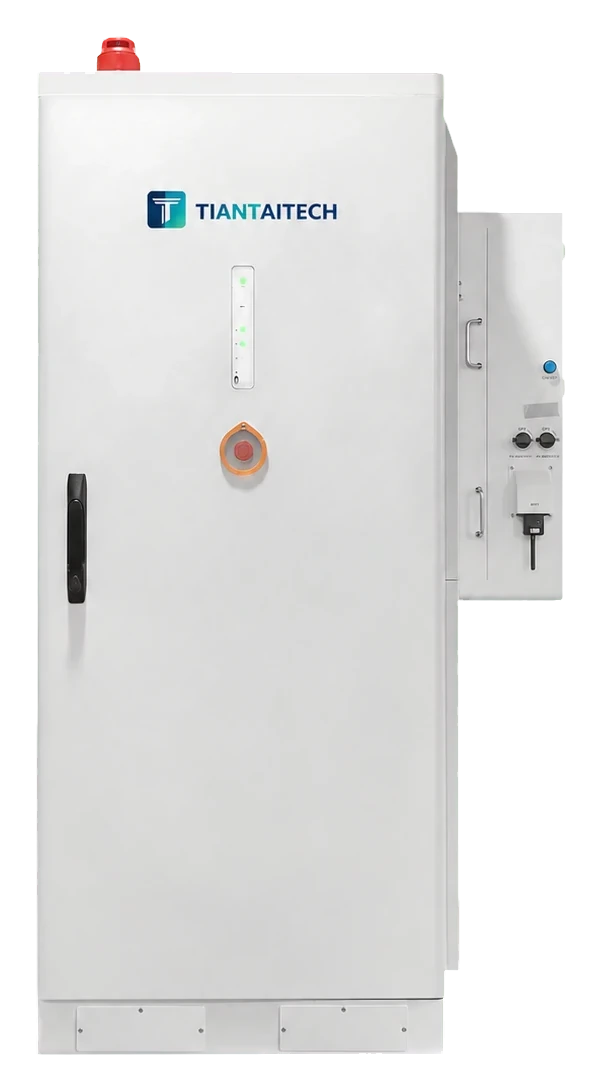
Commercial and industrial battery storage gives a business greater control over when electrical energy is stored and used. A system may be designed to support peak-load management, improve the use of on-site solar generation, provide selected backup capability or enable other locally permitted energy strategies.
The potential value is site-specific. A factory with short, sharp demand peaks has a different operating profile from a warehouse with rooftop solar, a hotel with evening loads or a business seeking resilience for selected equipment. Product selection should follow a clear objective and reliable site data.
What Is Commercial and Industrial Battery Storage?
Commercial and industrial battery storage, often shortened to C&I battery storage, refers to systems used at business, institutional or industrial sites. These projects are generally larger and more system-oriented than typical home installations, but the category covers many architectures and product formats.
A complete C&I battery energy storage system may include battery modules or racks, battery management systems, power conversion equipment, energy management controls, electrical protection, switching, thermal management, monitoring, communications and an enclosure. Transformers, fire-protection features or other balance-of-system equipment may also be required depending on the project.
The supply boundary varies. A product described as a battery rack, battery cabinet or integrated ESS may include different components. Buyers should request a clear list of included and excluded equipment in every quotation.
Peak Shaving and Demand Management
Some commercial electricity tariffs include charges influenced by the site’s highest demand during a billing period. A battery can discharge during selected high-demand intervals to reduce the peak recorded by the utility, provided the system is sized, controlled and operated appropriately.
The value of peak shaving depends on the shape and duration of the site’s demand peaks, utility tariff, battery power, usable energy, system efficiency, control strategy and degradation assumptions. Monthly electricity totals alone may not contain enough information. Interval load data is usually more useful because it shows when peaks occur and how long they last.
Better Use of On-Site Solar Energy
A commercial site may generate more solar power than it can use at certain times. Depending on local interconnection rules and export economics, a battery may store eligible surplus generation and discharge it later.
Increase on-site solar use
Shift eligible surplus solar energy to later operating hours when facility demand remains active.
Coordinate export limits
Evaluate storage together with permitted export, curtailment conditions and the site’s interconnection agreement.
Align generation and demand
Compare the solar production profile with interval consumption rather than relying on installed solar capacity alone.
Support energy management
Use storage as one controllable resource within a wider site operating strategy.
The best battery size is not necessarily equal to the site’s solar capacity. Solar generation, load profile, export rules, tariff periods and operating goals should be evaluated together.
Backup Support and Business Resilience
Battery storage can form part of a commercial backup strategy, but backup capability must be designed intentionally. The complete system needs sufficient output power, usable energy, switching, protection and controls for the selected loads.
Priority loads might include communications, safety systems, selected production controls, refrigeration, essential lighting or monitoring equipment. Large motors, compressors, pumps and heating equipment can have significant starting or continuous power requirements.
| Backup objective | Main question | Key design inputs |
|---|---|---|
| Ride-through support | Can selected equipment continue through a short interruption? | Load power, transfer behavior and required duration |
| Short-duration backup | Which essential loads must operate until grid power returns or generation starts? | Critical-load list, usable energy and start-up demand |
| Extended resilience | How will energy be replenished during a longer outage? | Solar or generator availability, operating schedule and reserve strategy |
More Flexible Energy Management
A battery adds a controllable energy resource to the site. With suitable monitoring and an energy management system, storage can respond to selected operating signals such as facility demand, solar output, tariff periods or reserve requirements.
The controls and available functions vary by architecture. Buyers should confirm which measurements are used, what operating modes are available, how settings are changed, whether remote monitoring is included and how communications are secured and maintained.
Project Data Buyers Should Prepare
A focused technical discussion becomes much faster when the project team can share the following information:
- Installation country, site type and project objective
- Interval load data and the relevant utility tariff
- Grid voltage, frequency, phase and interconnection conditions
- Existing or planned solar capacity and production profile
- Required power, energy and operating schedule
- Critical-load list and expected backup duration, if applicable
- Indoor or outdoor environment, temperature and available space
- Applicable standards, required documents and project schedule
For a structured project discussion, visit Commercial & Industrial Energy Storage or review the application directions on our Energy Storage Solutions page.
Common C&I Energy Storage Formats
Battery racks
Rack-based formats can provide configuration flexibility for integrators planning batteries, controls, power conversion and balance-of-system equipment as a wider system. See our Rack Energy Storage System overview.
Battery cabinets
Cabinet formats organize selected battery and supporting equipment within a defined enclosure. Buyers should verify whether the quoted cabinet includes only batteries or a broader set of controls, power conversion and thermal-management equipment.
Integrated ESS formats
An integrated system can consolidate multiple functions into a coordinated product format. The included equipment, available operating modes and project boundaries still need model-specific confirmation.
How to Evaluate a C&I Energy Storage Supplier
Request a model-specific supply scope
The quotation should identify batteries, BMS, PCS or inverter, EMS, enclosure, thermal management, protection, monitoring, transformer and other balance-of-system items as applicable.
Match evidence to the exact model
Ask which test reports, certificates and technical documents apply to the proposed model and destination market. Do not assume that evidence for one system automatically applies to another.
Review integration and service responsibilities
Clarify who is responsible for system design, local engineering, installation, commissioning, remote support, spare parts and warranty communication.
Confirm the project workflow
Agree on technical review, samples or demonstrations where relevant, branding scope, documents, production coordination, inspection, shipping and after-sales communication before placing the main order.
Frequently asked questions
Commercial & Industrial Battery Storage FAQ
What is C&I battery storage?
Commercial and industrial battery storage refers to energy storage systems used at business, institutional or industrial sites. The category includes rack, cabinet and integrated formats with project-specific supply boundaries.
Can battery storage reduce commercial electricity costs?
A properly designed system may support strategies such as peak shaving or time-based energy management. The result depends on the actual tariff, interval load data, system efficiency, control strategy and operating limits.
Can a C&I battery provide backup power?
It can form part of a backup design when the complete system has sufficient output power, usable energy, switching, protection and controls for the selected loads. Backup capability should be confirmed for the proposed architecture.
What data is needed before selecting a commercial battery system?
Useful inputs include interval load data, utility tariff, grid voltage and phase, solar profile, operating objective, installation environment, critical-load list and applicable local requirements.
Is a battery cabinet a complete energy storage system?
Not always. A battery cabinet, rack or integrated ESS can include different components. Every quotation should clearly identify batteries, controls, power conversion, thermal management, protection and balance-of-system equipment included in the supply scope.
Start with project data
Discuss Your C&I Energy Storage Project
Share the installation country, site type, load profile, grid information, solar capacity, target power and energy, environment and required standards for a focused discussion.